What is an XLPE Insulated Cable? An XLPE insulated cable is an electrical power cable that uses cross-linked polyethylene (XLPE) as its insulating layer between the conductor and the outer sheath.
This comprehensive guide explores everything you need to know about XLPE, from its fundamental properties to its applications in modern electrical infrastructure.
XLPE cable (Cross-linked polyethylene) is a type of electrical cable commonly used for power transmission and distribution. XLPE cable is made of a thermoset material, which means it is highly resistant to heat, moisture, and chemicals.
From an electric point of view, XLPE exhibits lower dielectric losses, and it's commonly used for high-voltage cables. The material has good water and excellent chemical and oil resistance and exhibits good aging characteristics compared to PVC, except in direct sunlight.
XLPE Cables, or cross-linked polyethylene cables, are the next generation of electric insulation and power transfer units. Their need in the construction, energy, and telecommunication industries comes from their high resistance, flexibility, and durability.
XLPE (Cross-Linked Polyethylene): This is the established workhorse. The XLPE meaning is straightforward: it’s polyethylene where the polymer chains are cross-linked using either peroxide (the most common method), silane, or radiation. It creates a three-dimensional molecular network.
Discover the benefits and performance of XLPE cables in our comprehensive guide. Learn how cross-linked polyethylene insulation enhances durability and reliability.
However, XLPE typically refers to cable insulation that meets recognized standards and is used in more demanding applications. Q: Which is better for underground cables? A: XLPE is better suited for underground or direct burial use due to its mechanical strength, moisture resistance, and voltage endurance.
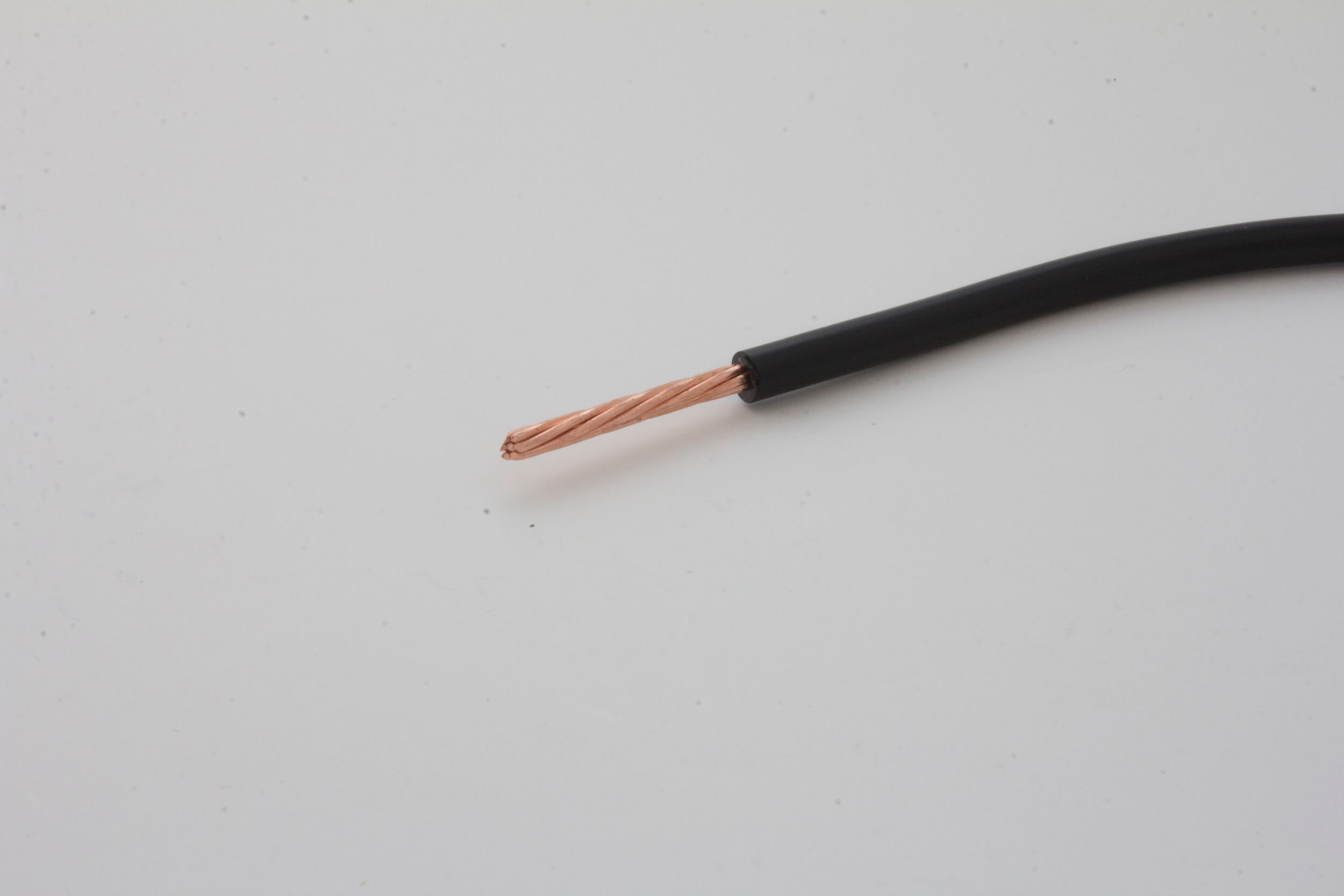 XLPE cable (Cross-linked polyethylene) is a type of electrical cable commonly used for power transmission and distribution. XLPE cable is made of a thermoset material, which means it is highly resistant to heat, moisture, and chemicals.